Learning
Explanations and rule notes for 64 games
For every game in the catalog we explain, in ten points, how it differs from 1830 (the reference classic of the 18xx family), plus a schematic summary to review before playing. We'll keep expanding this catalog with more titles.
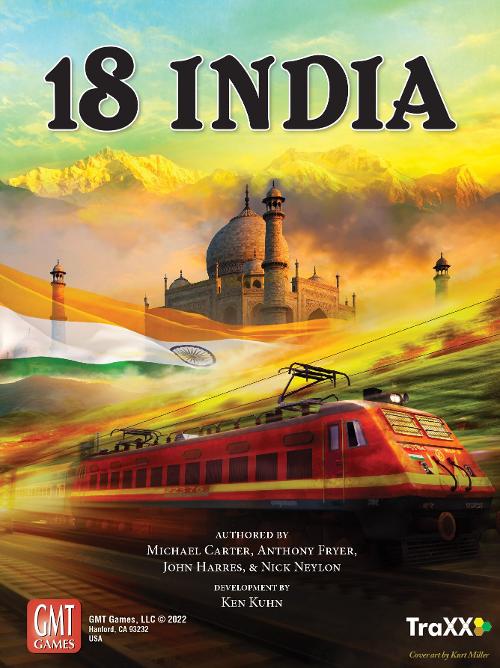
18 India: The Railways of India
Designer: Michael Carter, Anthony Fryer, John Harres, Nick Neylon
Descended from 1829 Mainline: permanent trains, "managed" companies without a fixed president, and royal bonds — for 2-5 players in about 3 hours.
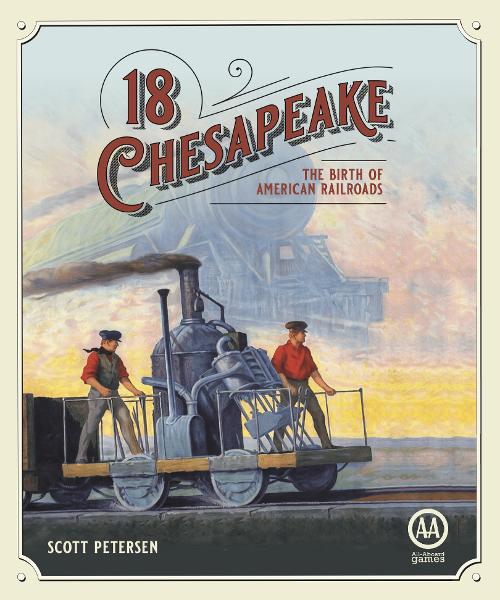
18Chesapeake
Designer: Scott Petersen
1830 simplified and polished to learn the genre without losing its depth.
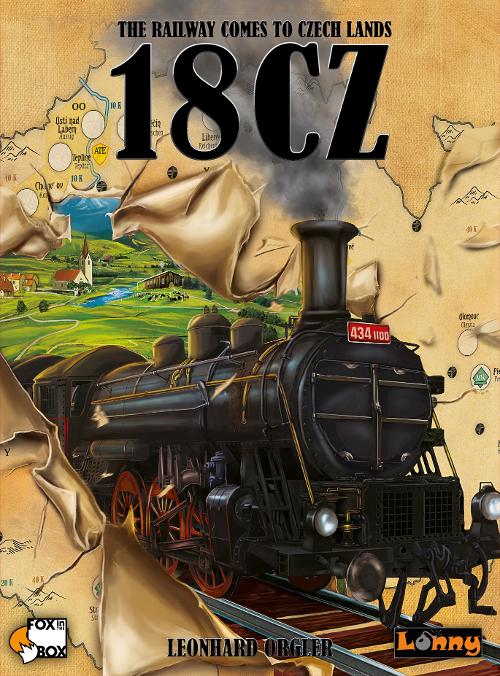
18CZ: The Railway Comes to Czech Lands
Designer: Leonhard "Lonny" Orgler
The Czech Lands with fifteen operating companies in three sizes (small, medium, big) that absorb one another, over a fixed run of eight stock rounds.
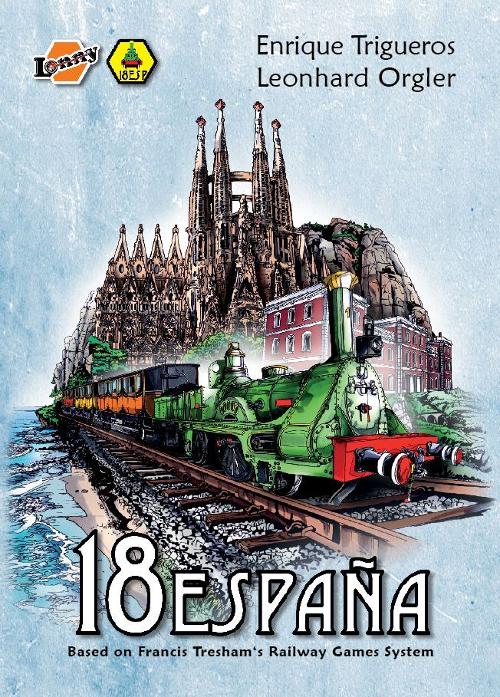
18España
Designer: Leonhard "Lonny" Orgler, Enrique Trigueros
The Iberian Peninsula with dual track gauges, rugged terrain, mines, and partial capitalization.
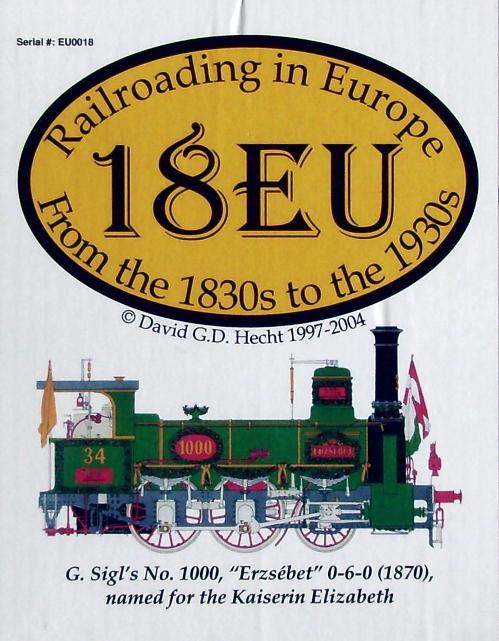
18EU: Railroading in Europe From the 1830s to the 1930s
Designer: David Hecht
All of Europe on one map: small companies that merge into big operating railroads, and a private auction using fixed-price bid boxes.
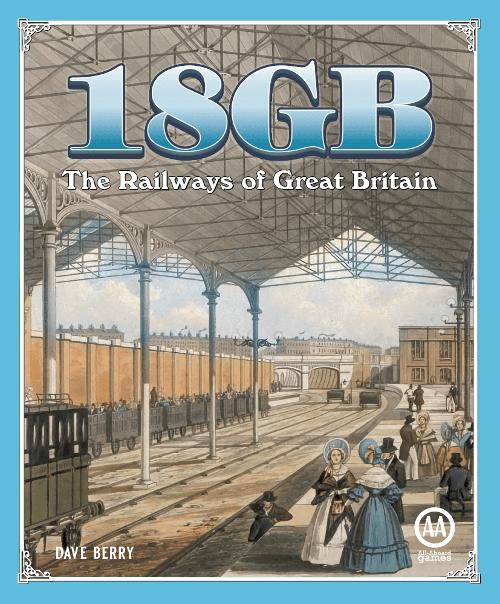
18GB: The Railways of Great Britain
Designer: Dave Berry
Great Britain with companies randomly split into two tiers, blending ideas from 1825 and 1860.
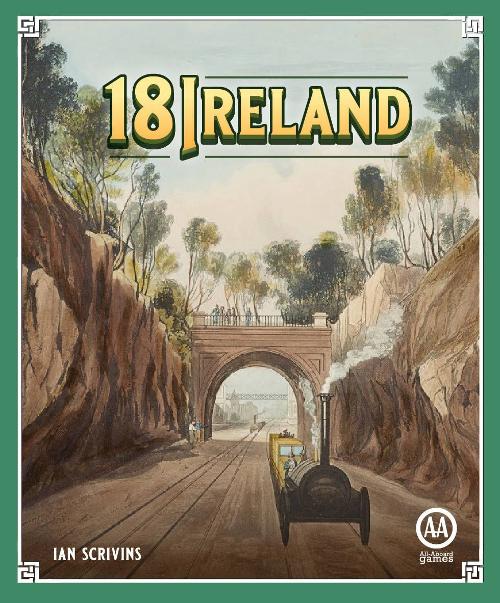
18Ireland
Designer: Ian Scrivins
5-share companies that merge (sometimes hostilely) into 10-share companies, with a small bank and two-stage train obsolescence.
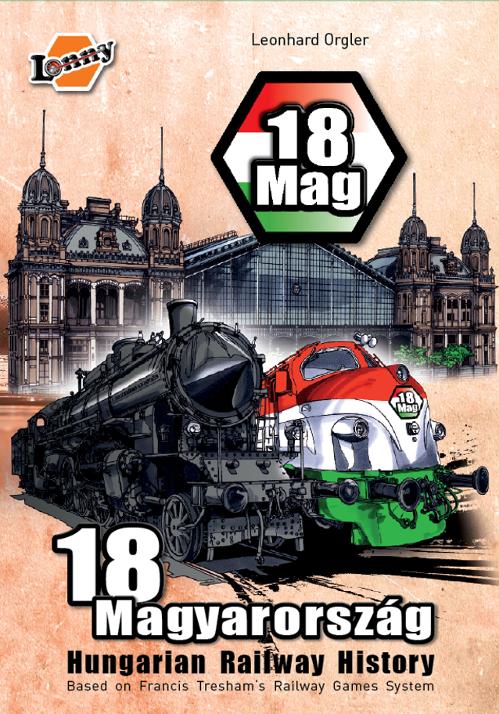
18Mag: Hungarian Railway History
Designer: Leonhard "Lonny" Orgler
Hungary with every train available from the start and no rusting at all: trains can only be scrapped voluntarily, and companies always split earnings 50:50.
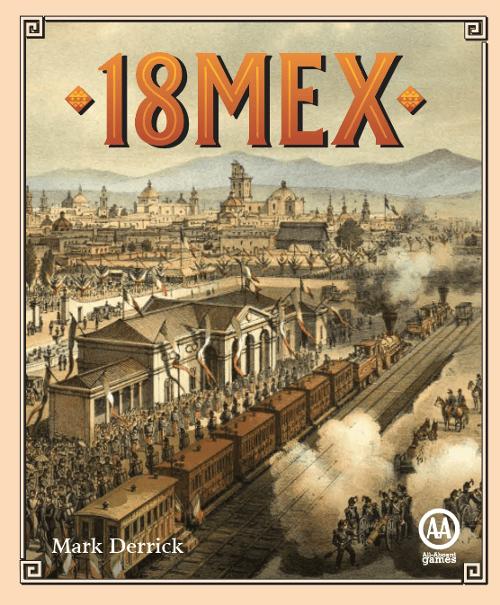
18MEX
Designer: Mark Derrick
Classic 18xx based on Tresham's 1829: mail contracts, a national railroad formed by merger, and delayed train obsolescence.
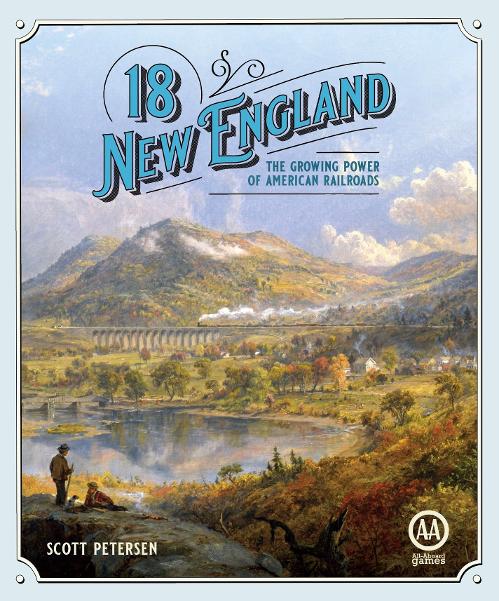
18NewEngland
Designer: Scott Petersen
From Massachusetts to New York: draft with no auctions, partial capitalization at par, and a great entry-level game.
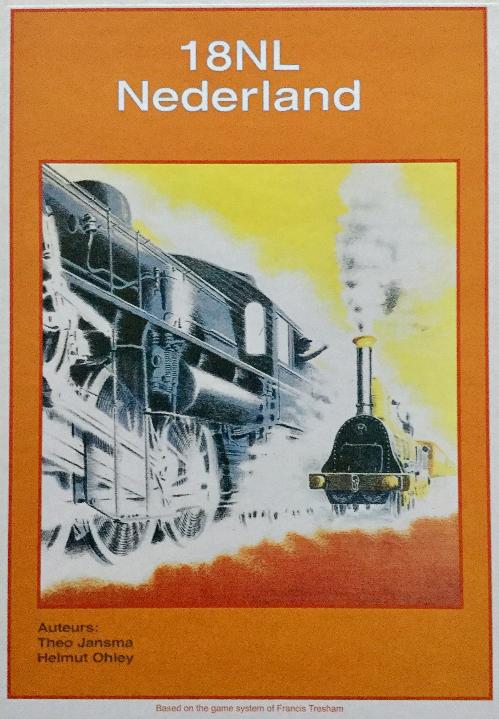
18NL
Designer: Helmut Ohley
1830 transplanted to the Netherlands, with the same classic spirit on a Dutch map.
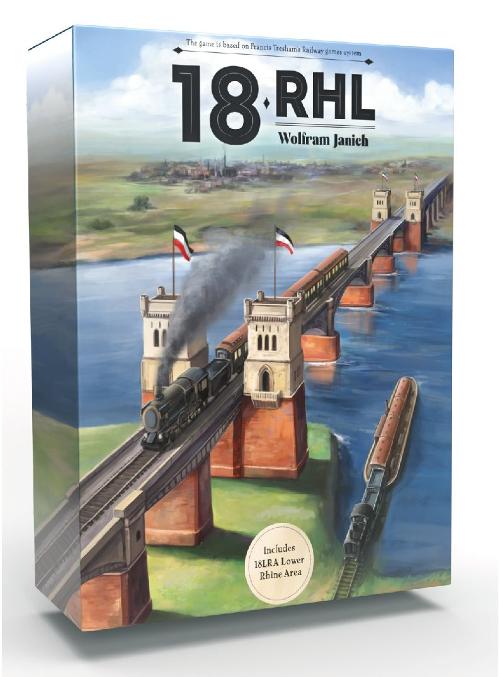
18Rhl: The Railways of the Rhineland
Designer: Wolfram Janich
Railway companies compete to build profitable lines across the Rhine, in a financially-focused and highly strategic 18xx.
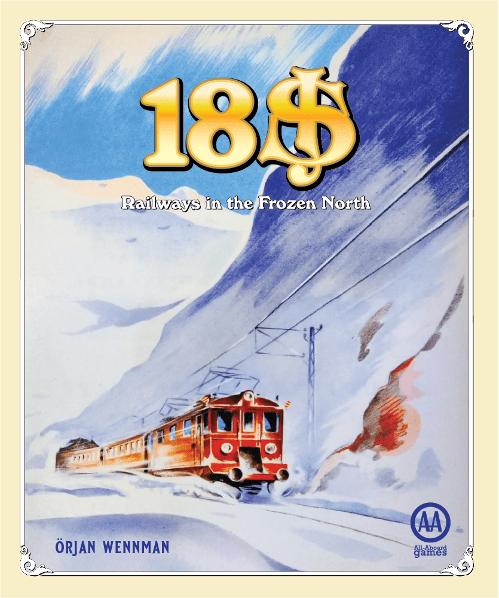
18SJ: Railways in the Frozen North
Designer: Örjan Wennman
Sweden and Norway with nationalization and a philosophy where personal wealth is all that matters.
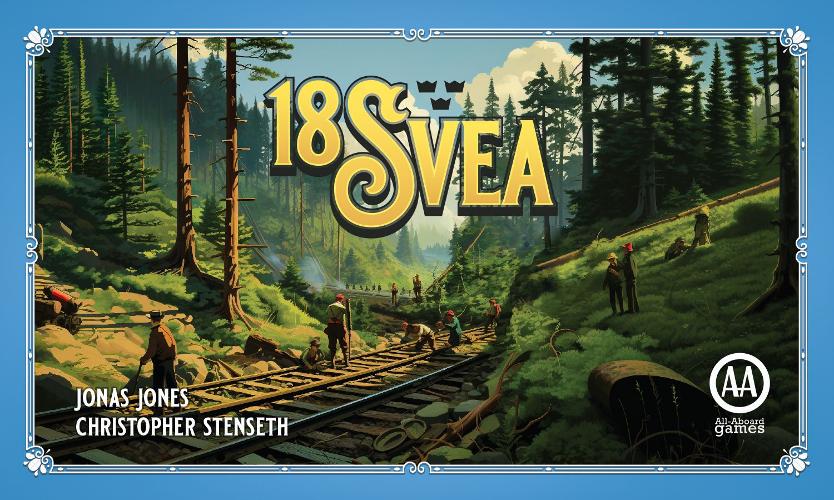
18Svea
Designer: Jonas Jones
A Swedish micro 18xx with just ten hexes, playable in under two hours.

18Tokaido
Designer: Douglas Triggs
An 18Chesapeake expansion set on Japan's Tokaido corridor, with no auctions and exported trains.
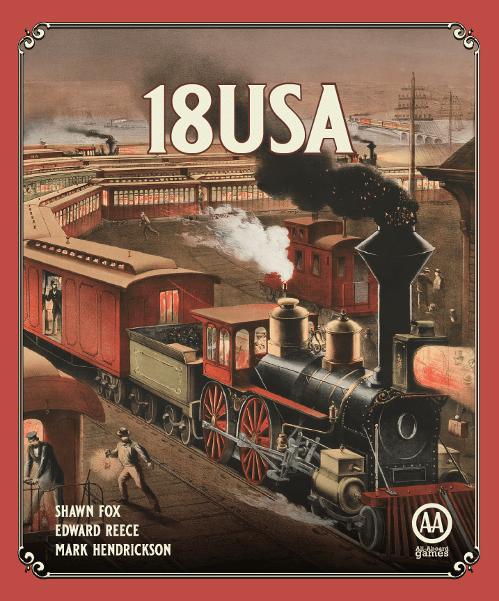
18USA: The Railways of the United States of America
Designer: Edward Reece, Mark Hendrickson, Shawn Fox
1817's financial engine (loans, short selling, mergers) applied to the whole USA map, with random setup every game.
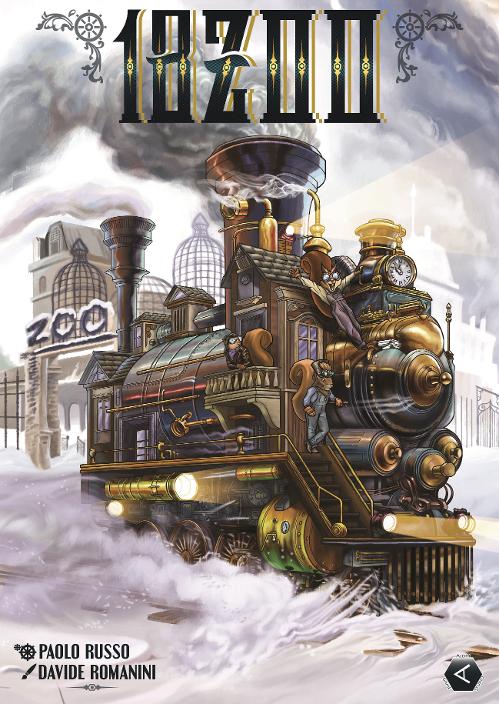
18ZOO
Designer: Paolo Russo
An 18xx starring anthropomorphic zoo animals, with an innovative stock market design and games of about two hours.
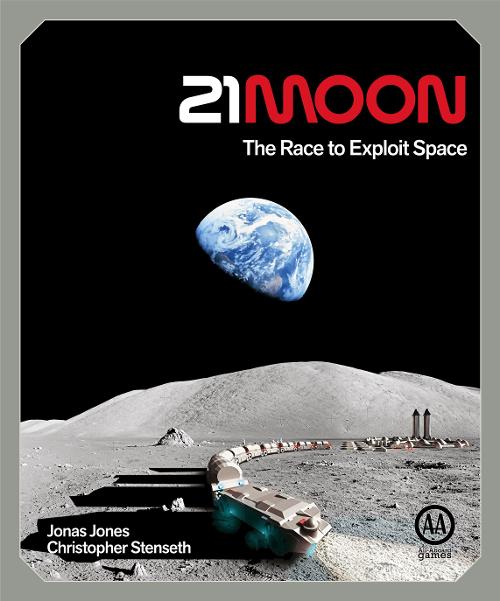
21Moon
Designer: Jonas Jones, Scott Petersen
Lunar mining in the year 2117, with temporary permits and an end-of-game fixed by the calendar.
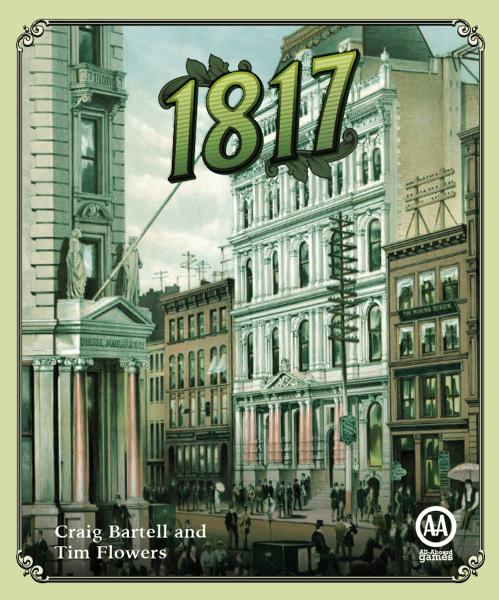
1817
Designer: Craig Bartell, Tim Flowers
An aggressive, finance-heavy 18xx for large groups, with loans, short selling, and hostile mergers between companies.
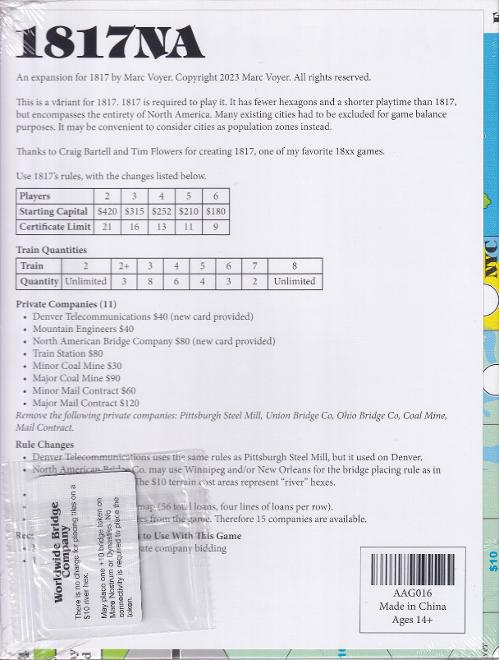
1817NA
Designer: Marc Voyer
The same shortened take on 1817 for 3 players, now focused on the original North America map.

1817WO
Designer: Marc Voyer, Brennan Sheremeto
A shorter, tighter version of 1817 designed for games with as few as 3 players, set across the whole world.
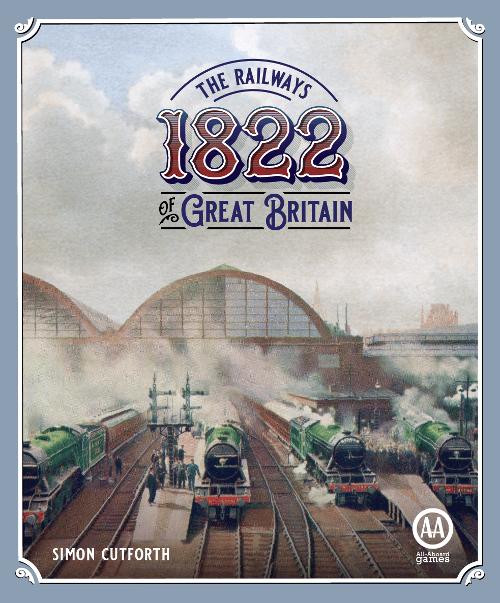
1822: The Railways of Great Britain
Designer: Simon Cutforth
The full 1822: all of Great Britain in constant auction of privates, minors, and major company concessions.
1822: The Railways of Great Britain — Medium Regional Scenario
Designer: Simon Cutforth
Medium regional version of 1822: England and parts of Wales and Scotland, in a shorter format.
1822: The Railways of Great Britain — North Regional Scenario
Designer: Simon Cutforth
North regional version of 1822: from Birmingham northward, the shortest scenario in the family.
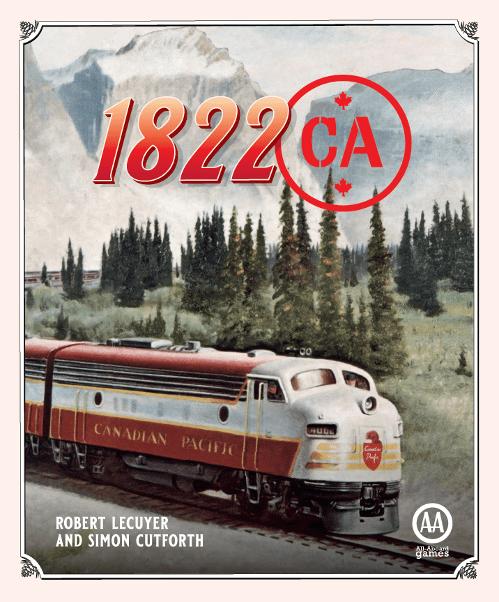
1822CA
Designer: Robert Lecuyer, Simon Cutforth
The 1822 engine spread across the full width of Canada: the longest, widest game in the family, built for 6-9 hour sessions.
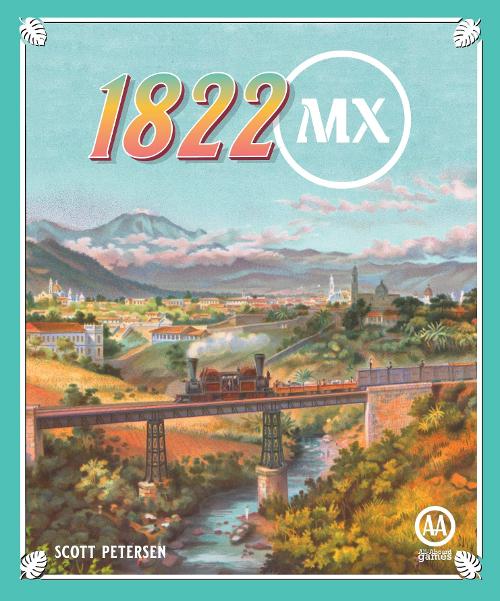
1822MX
Designer: Scott Petersen
1822 evolved and shortened for Mexico, with a collectively-managed national railroad (NdeM) and builder cubes.
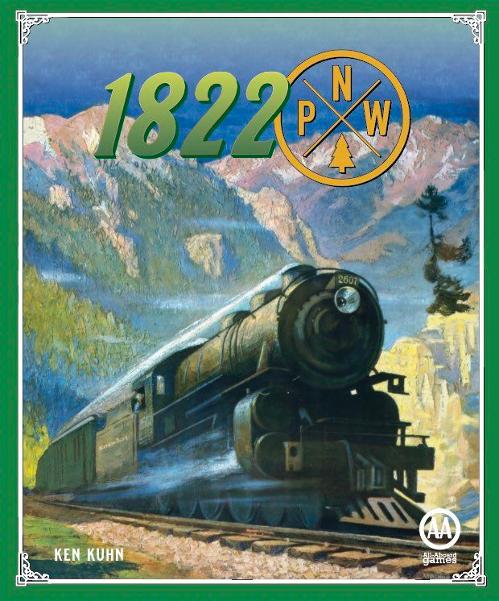
1822PNW
Designer: Ken Kuhn
1822 without concessions, with merging associated minors and a lumber market unique to the Pacific Northwest.
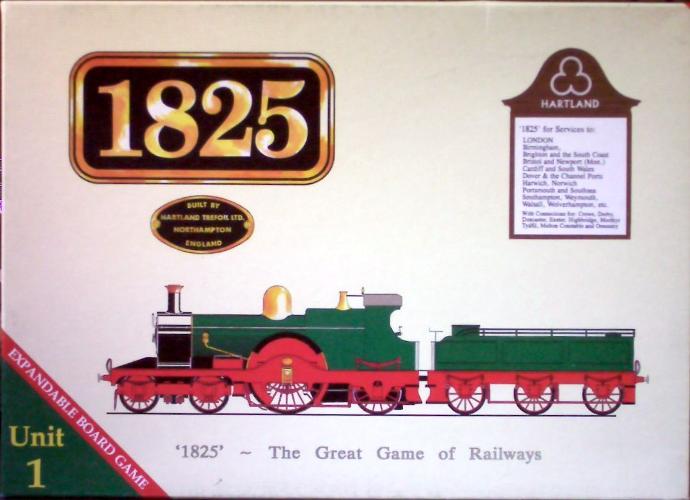
1825
Designer: Francis Tresham
The modular successor to 1829: maps split into Units (1, 2 and 3) that can be combined depending on player count.
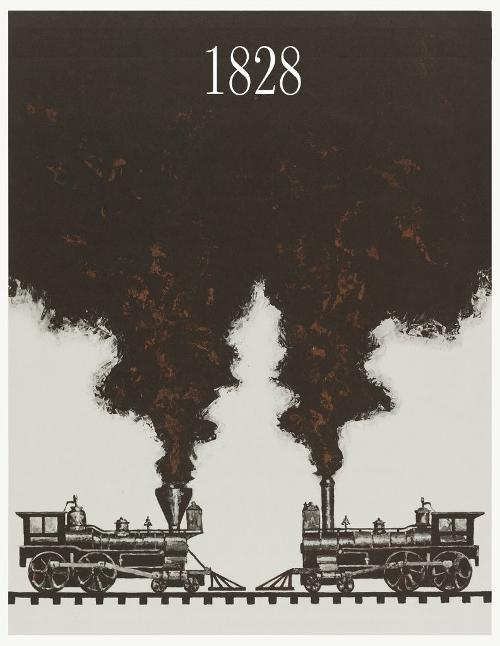
1828
Designer: J C Lawrence
A hefty 1830 relative set around the Great Lakes and eastern Canada: corporate mergers into shared "Systems", privates that directly launch companies, and par prices that unlock as the game progresses.
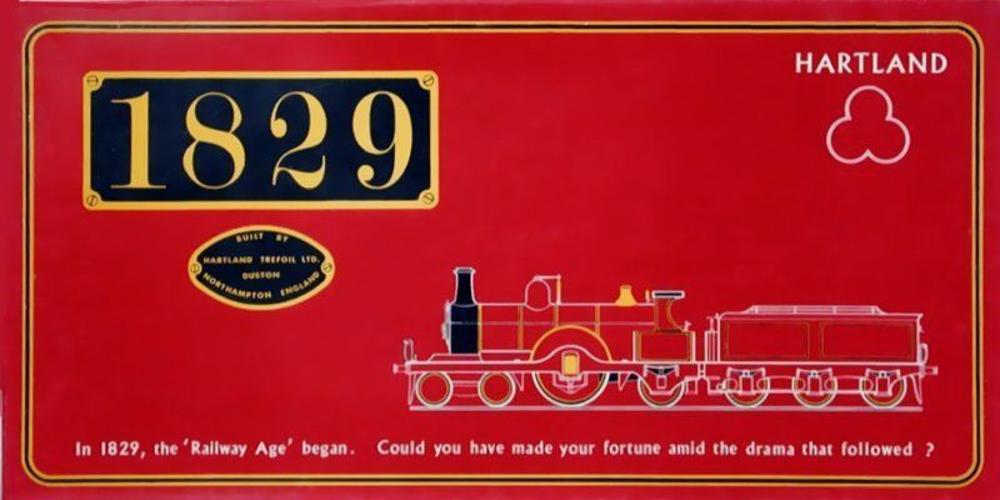
1829
Designer: Francis Tresham
Francis Tresham's original 1829: the design that started the whole 18xx genre, set in southern England.
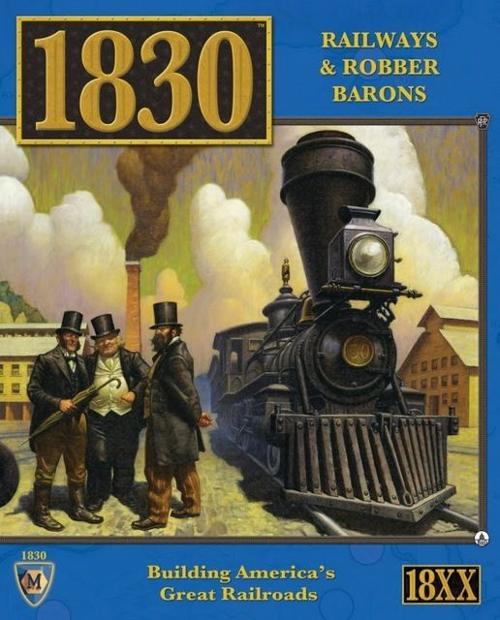
1830: Railways & Robber Barons
Designer: Francis Tresham
The classic reference 18xx: Northeastern USA, stock market, trains and bankruptcy.
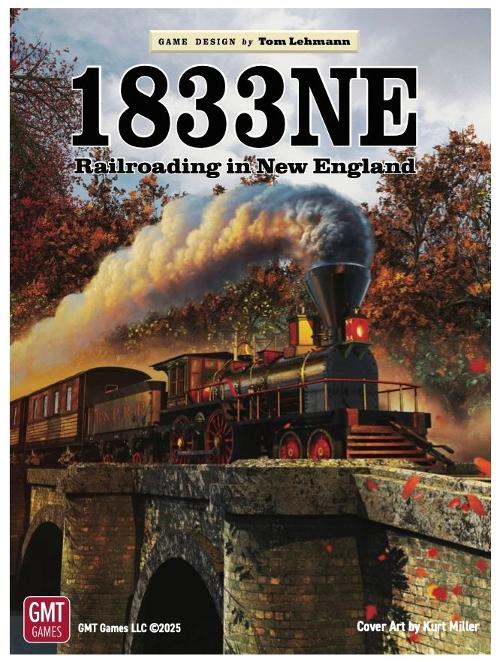
1833NE: Railroading in New England
Designer: Tom Lehmann
New England and Montreal using Tom Lehmann's own 1846 financial system, with interconnection bonuses that shift by phase, ferries, and a Takeover mode where railroads acquire one another — for 3-5 players.
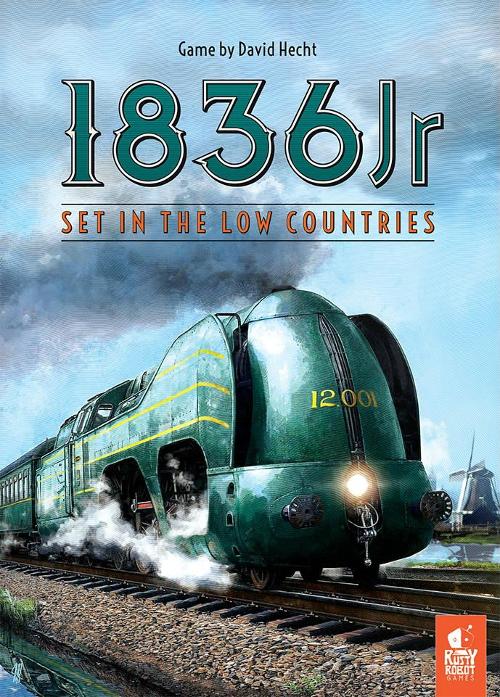
1836Jr30
Designer: David Hecht
A short, kid-friendly 18xx built from 1830's components, set in the Netherlands and Belgium.
1836Jr56
Designer: David Hecht
The same short, kid-friendly 18xx, this time built from 1856's components.

1837-Saxonia
Designer: Wolfram Janich
Saxony's rugged terrain of winding lines and major bridges, with historic companies deciding when to merge into the Royal Saxon State Railways — a heavy reworking of the designer's own 18SX.
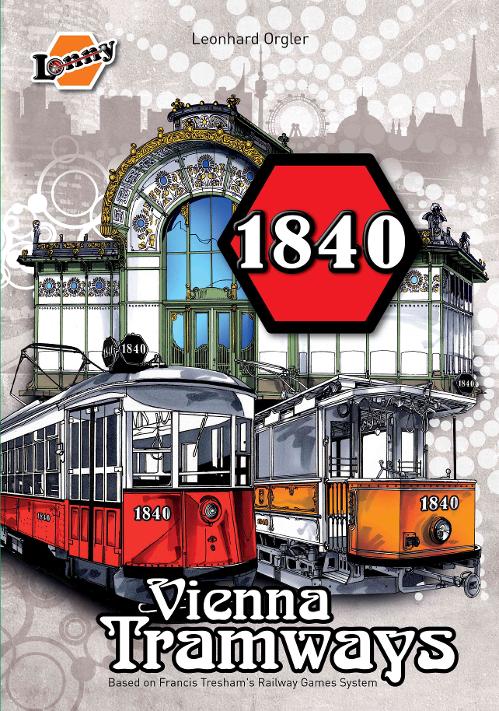
1840: Vienna Tramways
Designer: Leonhard "Lonny" Orgler
Vienna trams with no train rusting at all: every line is a "diesel" from the start, and obsolescence is replaced by ongoing fees.
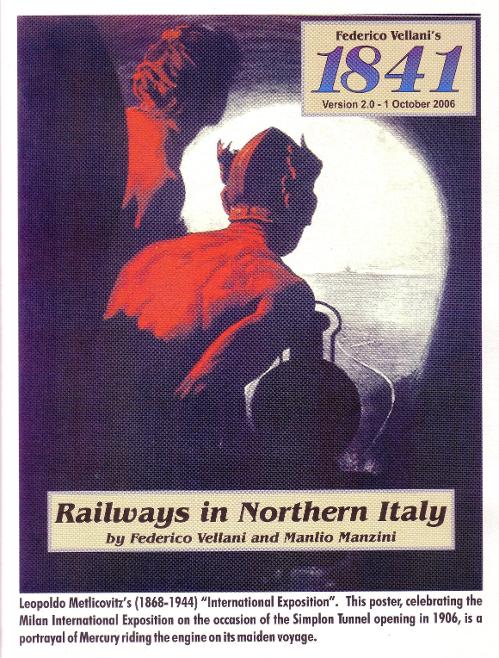
1841: Railways in Northern Italy
Designer: Federico Vellani, Manlio Manzini
Northern Italy with the most intricate stock market in the genre: companies can invest in other companies, and even found new ones.
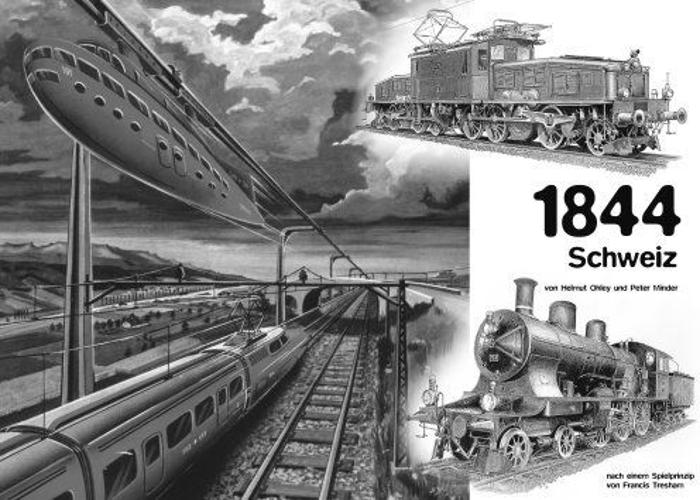
1844: Schweiz
Designer: Helmut Ohley
Switzerland with mountain railways, tunnel-building companies, and two clearly distinct generations of locomotives.
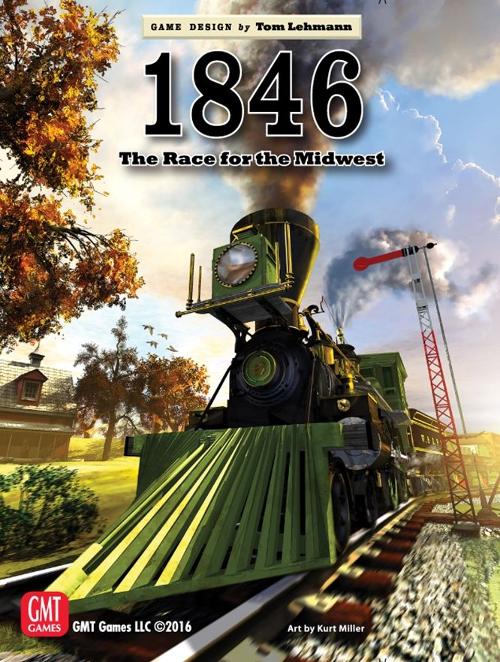
1846: The Race for the Midwest
Designer: Tom Lehmann
A fast entry point into 18xx set in the US Midwest, with incremental capitalization and drafted minors.
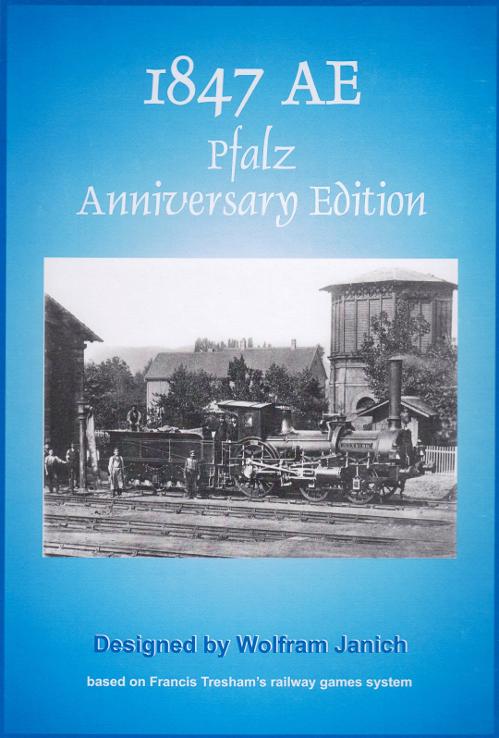
1847: Pfalz
Designer: Wolfram Janich
The German Palatinate (Pfalz) on one of the smallest 18xx maps (52 hexes), in the 25th-anniversary edition of Wolfram Janich's original design — the same designer behind 18Rhl.
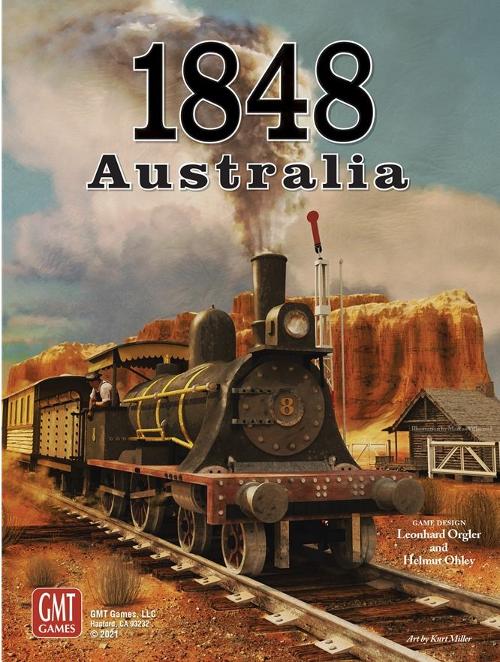
1848: Australia
Designer: Helmut Ohley, Leonhard "Lonny" Orgler
Australia with three track gauges and the Bank of England as a public company that bails out railways in receivership.
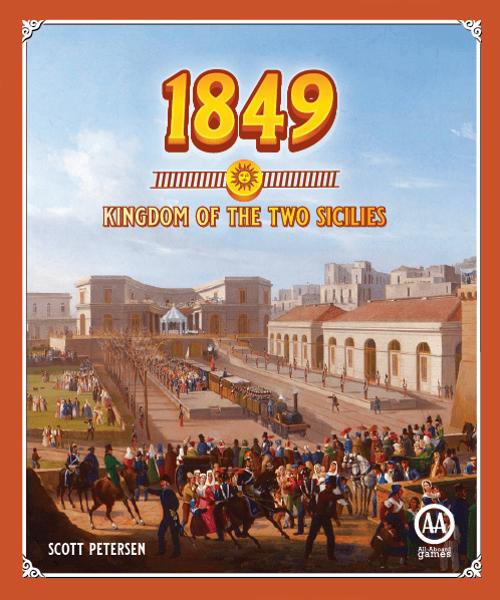
1849: Kingdom of the Two Sicilies
Designer: Scott Petersen
Federico Vellani's 1849 taken further south, to the former Kingdom of the Two Sicilies, in a revision by Scott Petersen.
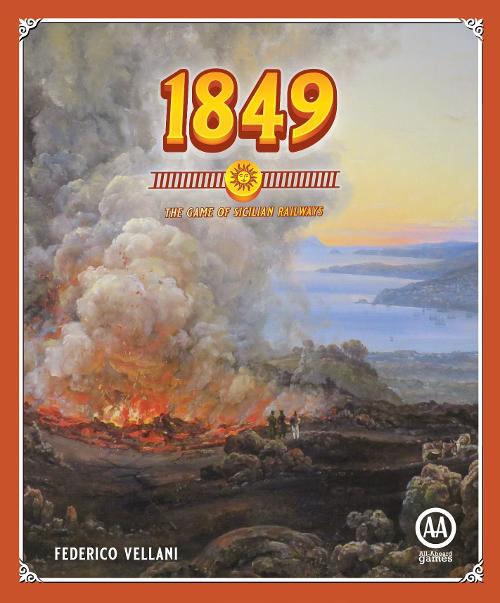
1849: The Game of Sicilian Railways
Designer: Federico Vellani
Sicily with three track gauges, terrain that always costs money, and trains that count hexes, not cities.
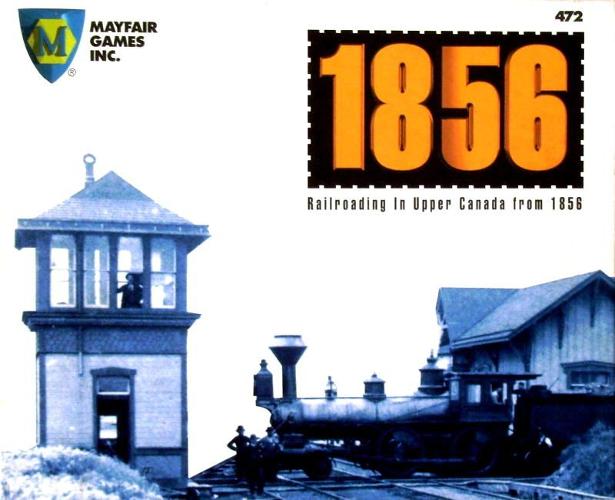
1856: Railroading in Upper Canada from 1856
Designer: Bill Dixon
Upper Canada and the risk of being nationalized by the government if loans aren't repaid in time.
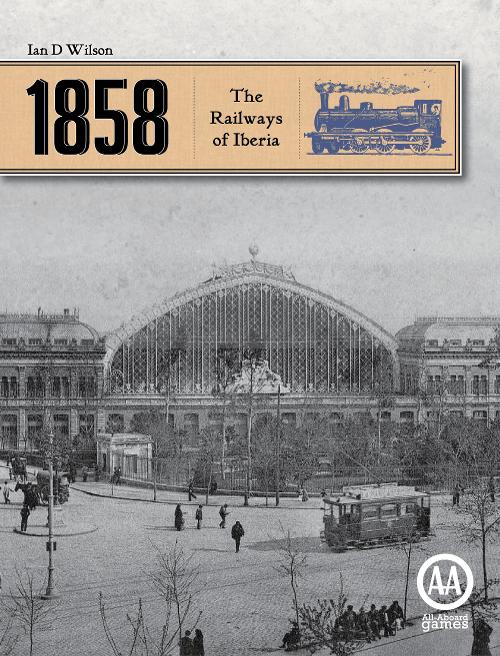
1858: The Railways of Iberia
Designer: Ian D. Wilson
The Iberian Peninsula with 22 privates that eventually convert into shares of the operating companies, dual track gauge, and both 5- and 10-share companies.
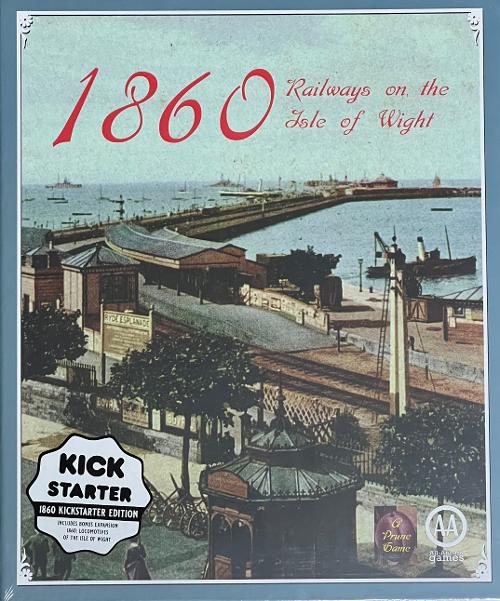
1860: Railways on the Isle of Wight
Designer: Mike Hutton
The Isle of Wight in an 18xx designed for 2 players, with no bankruptcies and progressive nationalization.
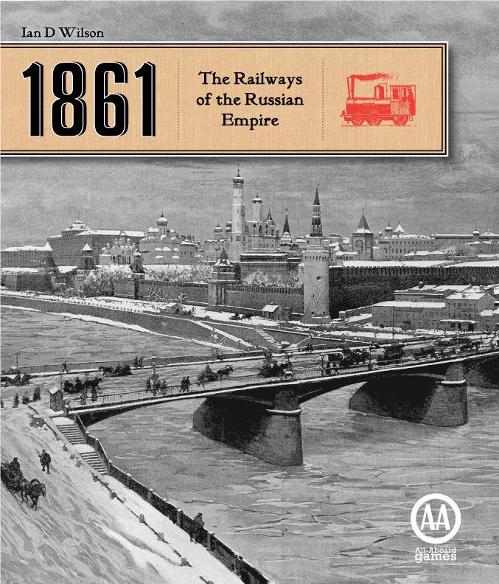
1861: The Railways of the Russian Empire
Designer: Ian D. Wilson
The Russian Empire, with minors that grow into majors and a state railway that can absorb them.
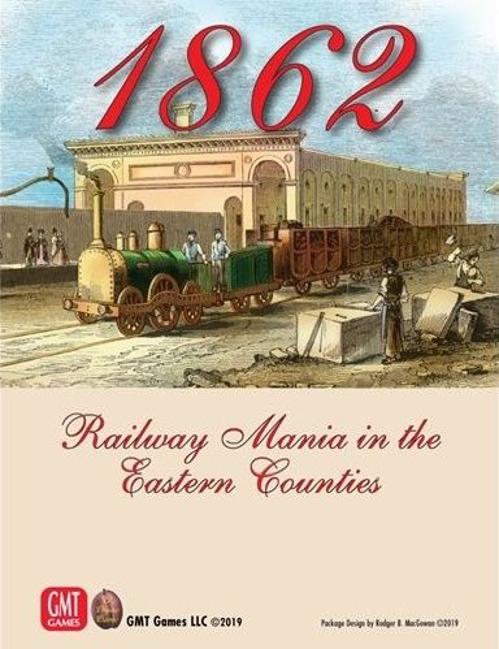
1862: Railway Mania in the Eastern Counties
Designer: Mike Hutton
British East Anglia flips classic 18xx conventions with three train types and subsidy maneuvers.
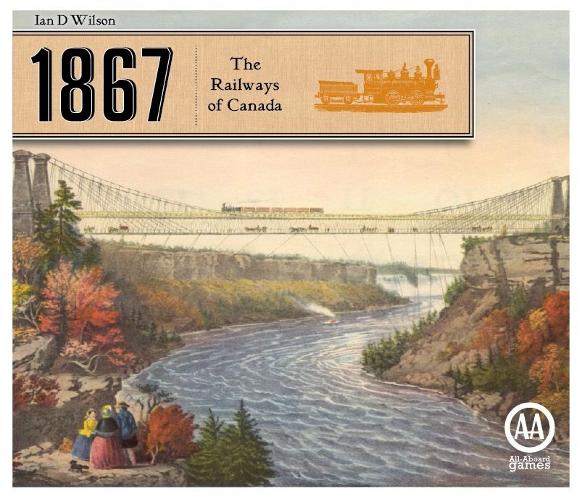
1867: The Railways of Canada
Designer: Ian D. Wilson
1861's Canadian twin: the same grid stock market engine, now crossing Canada from east to west.
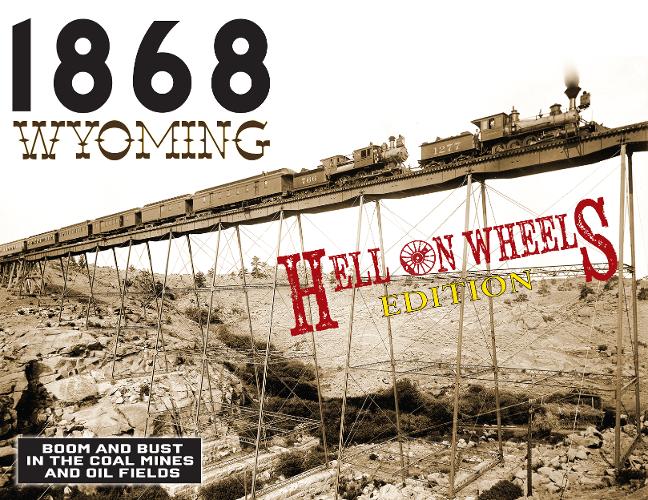
1868: Wyoming
Designer: John Harres
Wyoming with coal mines and oil fields developed in their own dedicated rounds, in a modern and highly tactical 18xx.
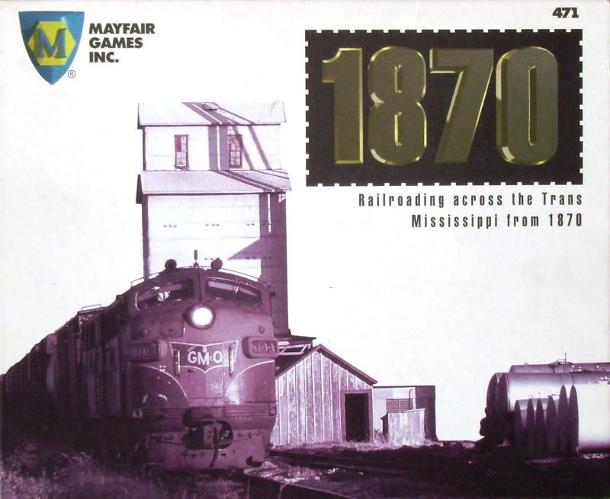
1870: Railroading Across the Trans Mississippi from 1870
Designer: Bill Dixon
The Trans-Mississippi with a huge map and the richest stock-market game in the whole 18xx family.
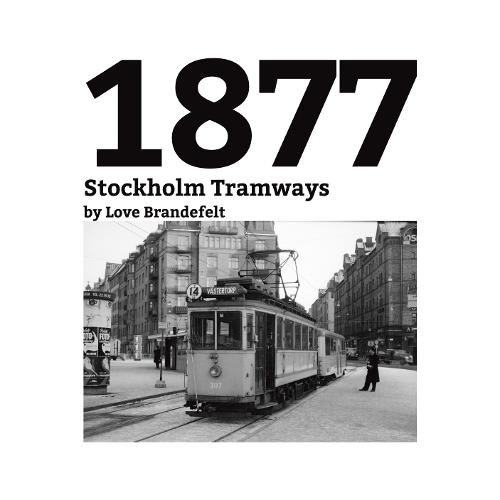
1877: Stockholm Tramways
Designer: Love Brandefelt
Trams (not trains) through Stockholm, built around the risk of losing control of your own companies.
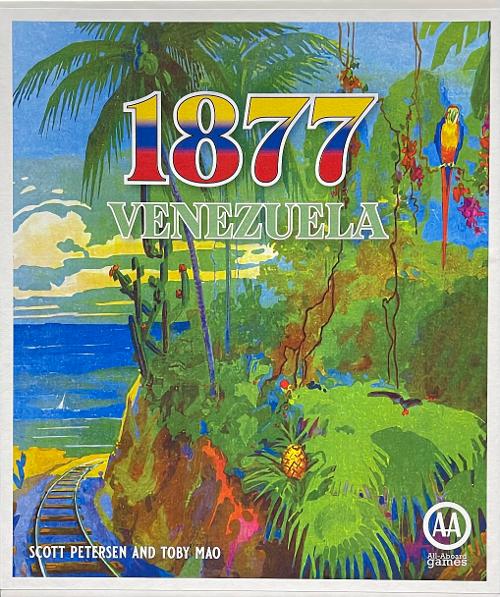
1877: Venezuela
Designer: Scott Petersen, Toby Mao
Venezuela in a 1817 compressed to 2-3 hours, with short selling, arbitrage and financial sabotage.
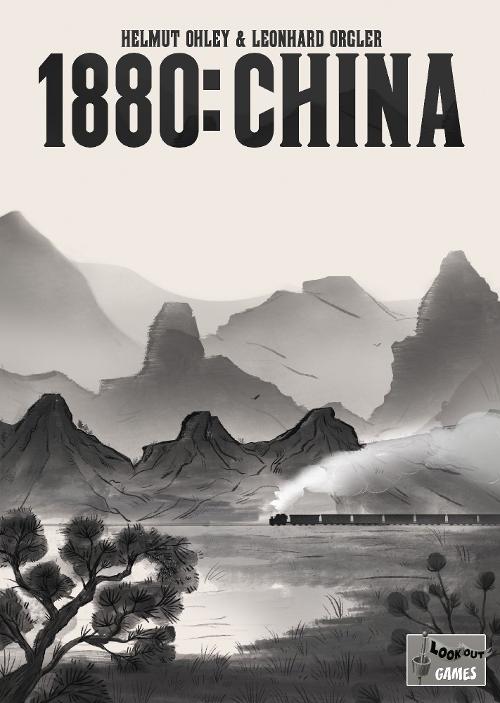
1880: China
Designer: Helmut Ohley, Leonhard "Lonny" Orgler
19th-century China with fixed operating order and personal foreign investors for each player.
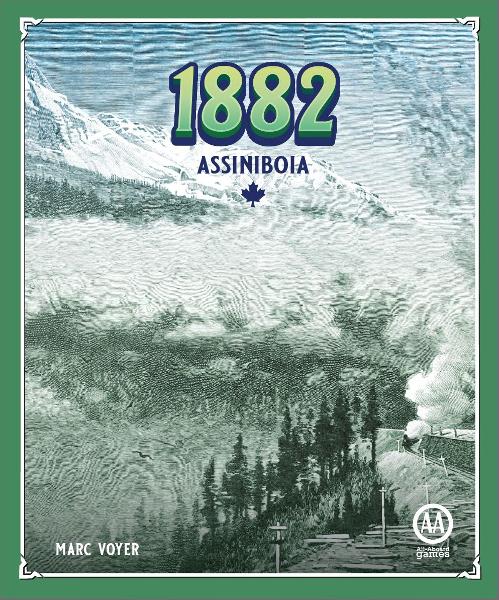
1882: Assiniboia
Designer: Marc Voyer
Assiniboia, in western Canada, with neutral tokens, a rebellion zone, and a parasite company.
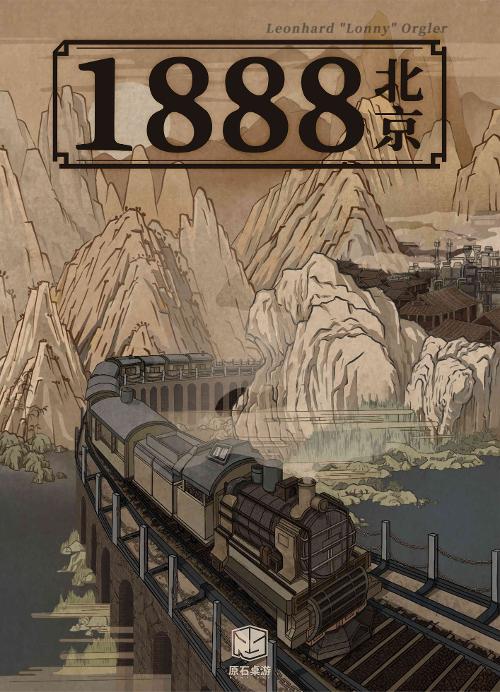
1888-N
Designer: Leonhard "Lonny" Orgler
Northern China (the Beijing area): the first of a Chinese trilogy (1888-N, E and S) that can be combined to expand the map and companies.
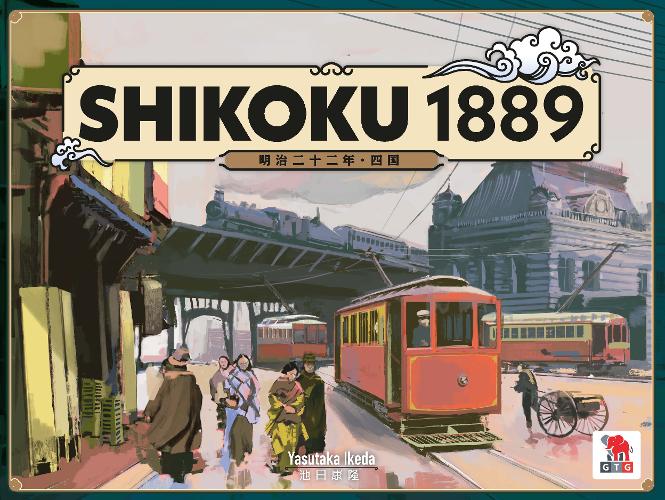
1889: History of Shikoku Railways
Designer: Yasutaka Ikeda
Shikoku, the compact and mountainous version of 1830 in Japan, with one fewer company and a shorter game.
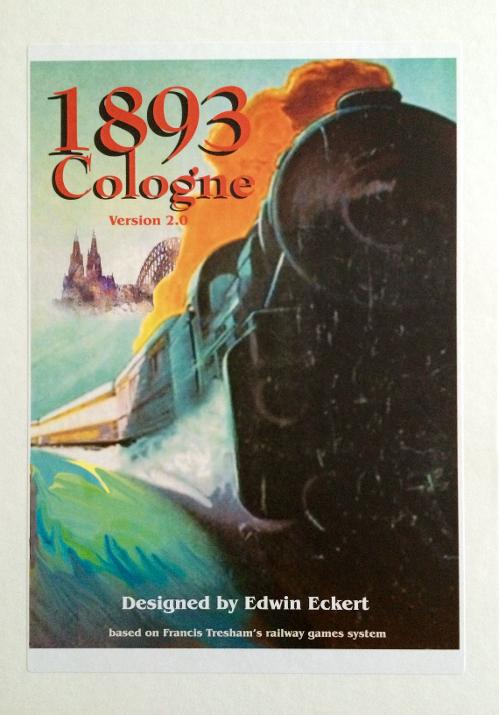
1893: Cologne
Designer: Edwin Eckert
Cologne, with a Rhine crossable at only four hexes and minors that merge by shareholder vote, in a short 18xx for 2-4 players.
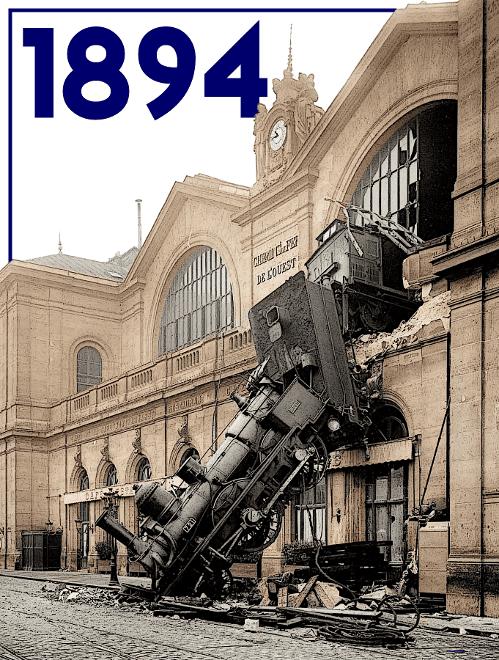
1894
Designer: Jan Kłos
Northeastern France and Belgium with two companies that start the game already floated, green cities that split in two when upgraded to brown, and trains that can be traded up for newer models — for 3-4 players.
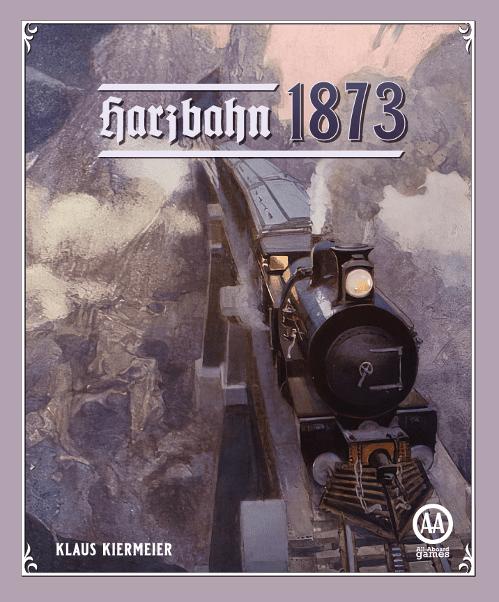
Harzbahn 1873
Designer: Klaus Kiermeier
Mines and railways in the Harz mountains, in a two-player classic with explicit technological progress.
Railways of the Lost Atlas
Designer: Kevin Delger, Jacob Schacht
A modular map built during setup, minors with their own persistent powers that physically merge into majors, and a fixed cycle-based length.
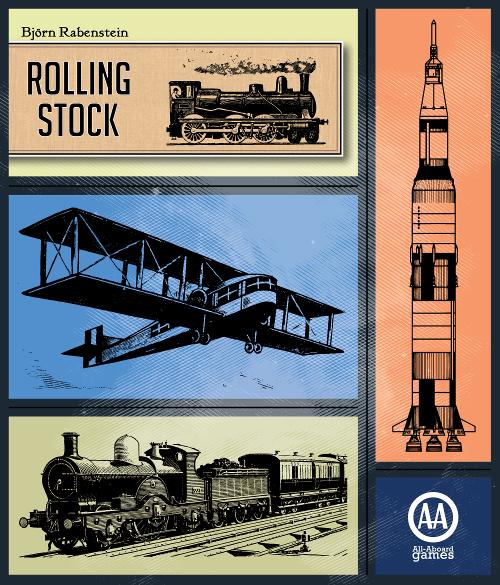
Rolling Stock
Designer: Björn Rabenstein
A card-based auction and trading game with the spirit of 18xx, with no map or tiles at all.
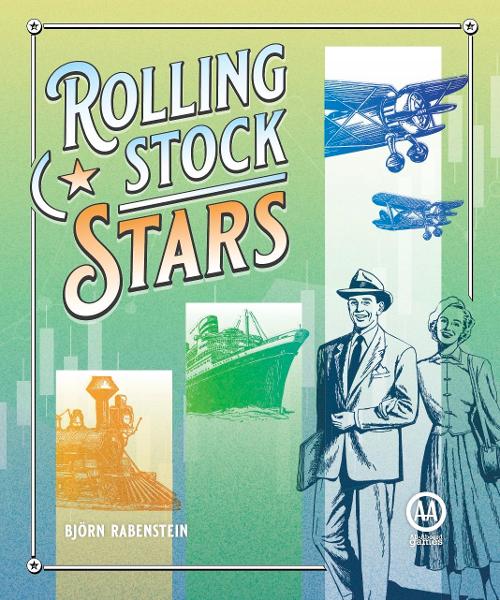
Rolling Stock Stars
Designer: Björn Rabenstein
A standalone reimplementation of Rolling Stock, with variable-power companies and valuation abstracted into stars, spanning from Prussian railroads to airports.
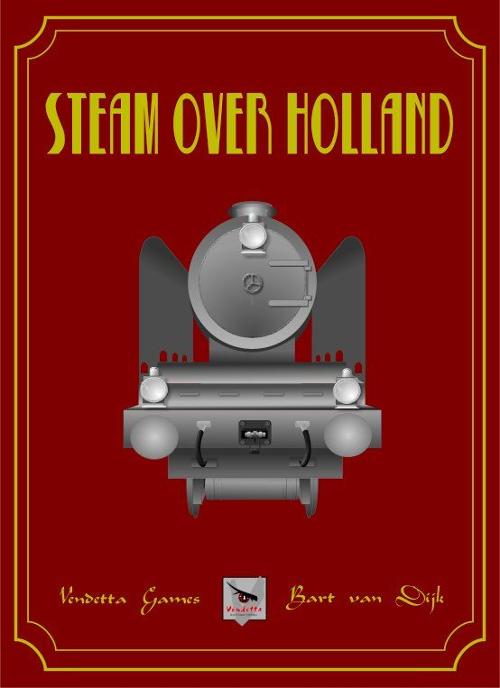
Steam over Holland
Designer: Bart van Dijk
A Dutch 18xx designed to be lighter and more sociable than the classics, set in the Netherlands.
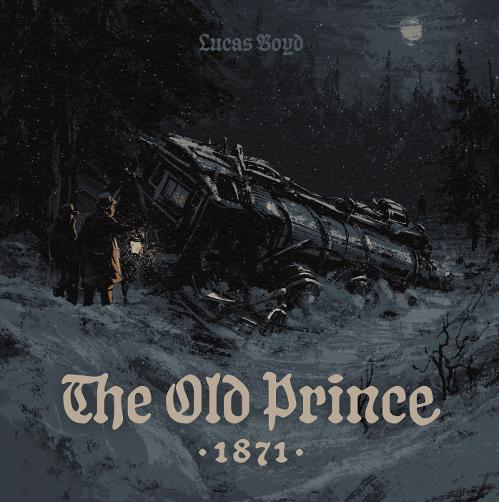
The Old Prince 1871
Designer: Lucas Boyd
Prince Edward Island and the PEIR, a ghost network that turns into a company live at the table.